

Area guide
Area guide
Discover Barcelona’s main districts and find the location that best suits your lifestyle or investment strategy. We help you compare neighborhoods, understand their strengths and make a more informed property decision.
Find the perfect place to live in Barcelona
Barcelona’s districts

Eixample
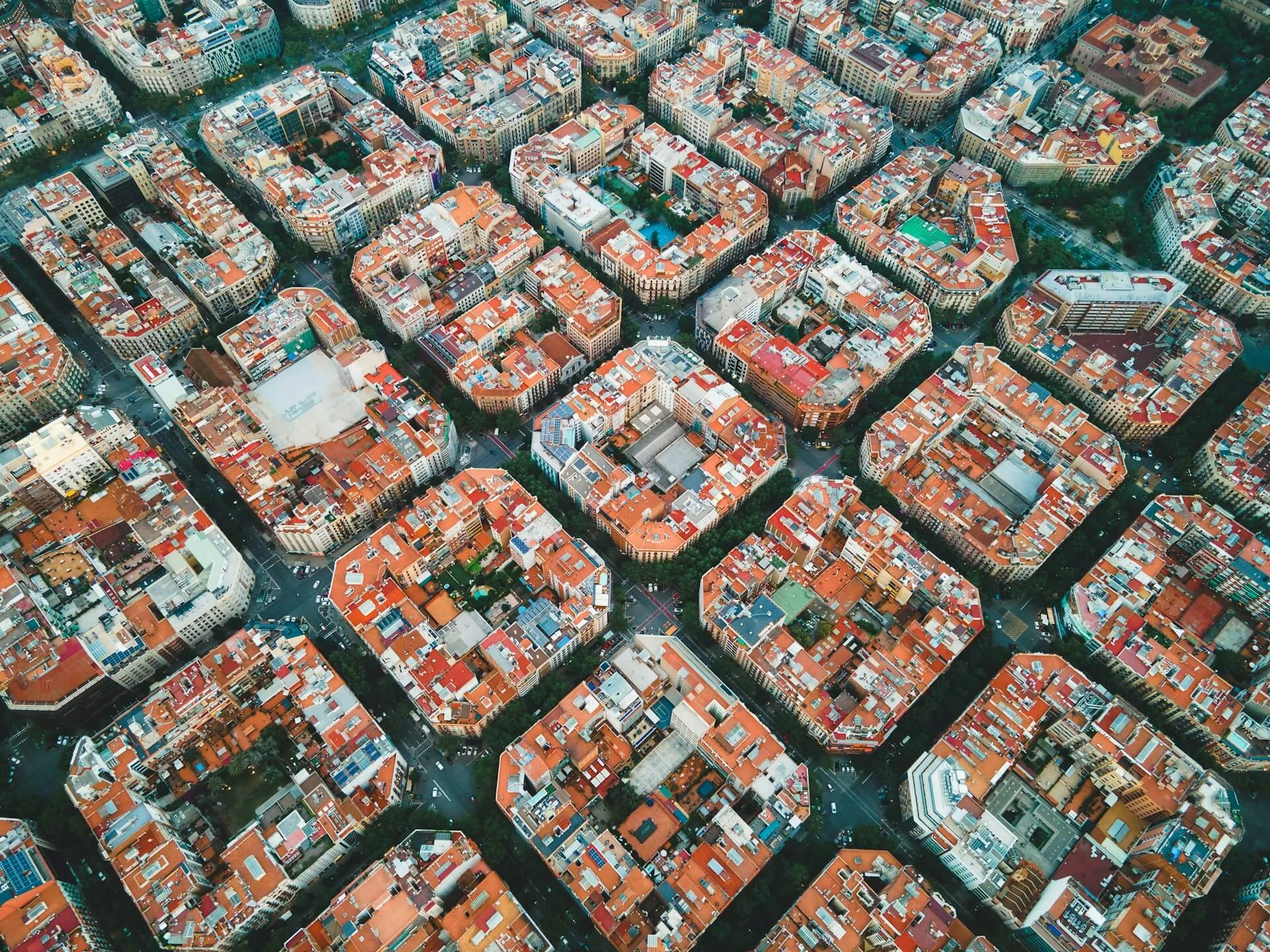
Developed at the height of the Industrial Revolution by one of Catalan architecture’s great figures, Ildefons Cerdà, Barcelona’s Eixample is a perfect example of the strong urban design tradition that still defines the city. This district includes the neighborhoods of Sant Antoni, Fort Pienc, La Sagrada Família, L’Antiga Esquerra de l’Eixample, Esquerra Nova de l’Eixample and Eixample Dreta. Some of the finest examples of the city’s modernist heritage lie in Eixample. Catalan modernism is world-famous for its imagination, beautiful detailing and craftsmanship. Interior courtyards and high ceilings fill apartments with natural light, making them warm, inviting homes. Eixample has lively residential areas with plenty of services and busy retail streets. Tourism clusters around Passeig de Gràcia in Eixample Dreta towards Plaça Catalunya, where the Gothic Quarter begins, and around the Sagrada Família neighborhood, home to Gaudí’s famous basilica. Find the comfort and luxury you are looking for in our Passeig de Gràcia apartments.
Some of Barcelona’s most sought-after homes are in Eixample Dreta and Eixample Esquerra. Streets such as Balmes, Enric Granados, Muntaner, Passeig de Gràcia, Gran Via and Aragó are main commercial and transport arteries, with some of the city’s best shops and top-tier restaurants and bars. The famous Quadrat d’Or is the block of modernist buildings between Carrer Aribau and Passeig de Sant Joan via Passeig de Gràcia, one of Europe’s most exclusive and expensive streets.
Leer más

Upper Zone
This district lies in the north-west of the city, framed by the Tibidabo and Collserola hills to the north, Avinguda Diagonal to the south and Carrer Balmes to the east. Galvany is an elegant, residential neighborhood known for stately buildings, quiet streets and strong retail. It combines village life, traditional markets, nearby green space and excellent connectivity—highly valued by local residents. Sarrià began as an independent village that was gradually absorbed into the city, which is why it still feels like a small town, with narrow streets, squares and local shops. La Bonanova and Les Tres Torres are residential areas with everything you need day to day.
It is a luxury residential zone with some of Barcelona’s most prestigious homes, thanks to its parks and green areas, private and international schools and wide range of services. Every neighborhood offers restaurants, shops, gyms, markets and activities. The area is well connected via FGC trains and buses, although having a car helps thanks to proximity to the Ronda de Dalt ring road and quick access to motorways for weekend trips.
Leer más

Ciutat Vella
Ciutat Vella is Barcelona’s oldest district, with archaeological remains up to 4,000 years old. It comprises El Raval, the Barri Gòtic and Sant Pere, Santa Caterina i la Ribera (El Born). The oldest core is the Gothic Quarter, largely developed under the Romans—you can still see stretches of the Roman walls. Ciutat Vella hosts much of the city’s tourism thanks to its charm, large pedestrian areas, winding streets, markets such as La Boqueria, Las Ramblas and public squares, and its cultural life. Some of the city’s best museums, including the Picasso Museum and MACBA, are here.
These neighborhoods are known for a bohemian, cosmopolitan lifestyle and multicultural diversity. At the lower end of the market is El Raval, with prices rising as you move east towards El Born. The architecture is iconic: Santa Maria del Mar, Mercat de Santa Caterina, Mercat del Born and Estació de França. It is an elegant area that over the last twenty years has been shaped by artists, antique dealers and entrepreneurs, with countless bars, cafes, chef-led restaurants and nightlife.
Leer más

Les Cortes
This district lies to the west of Barcelona, where residential areas meet the University of Barcelona campus, Camp Nou and major shopping centers such as Pedralbes Center and L’Illa. Like most of the city, it is well served by tram, metro and bus, and sits close to main ring roads for easy weekend getaways.
The Pedralbes neighborhood sits within this district, though many agents distinguish northern and southern Les Corts, divided by Avinguda Diagonal. Pedralbes is closely associated with the upmarket residential areas of Sarrià–Sant Gervasi, while southern Les Corts is often linked with Sants in atmosphere and architecture.
Leer más
Sant Martí
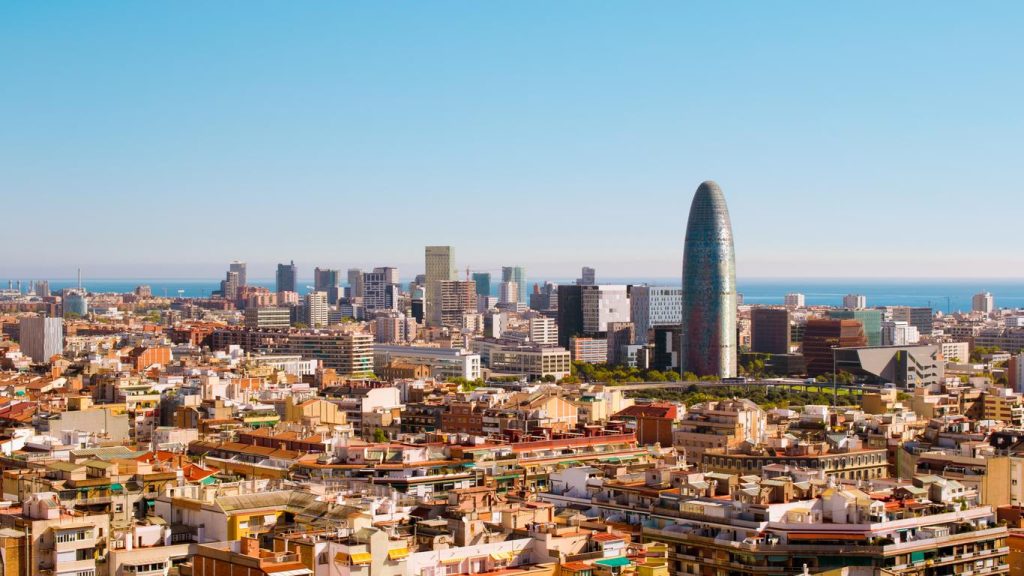
This district is Barcelona’s most tech-forward, optimistic face of the future, known as 22@. Traditionally industrial, the city began turning it residential towards the end of the 20th century. It includes the Vila Olímpica, Poblenou and Diagonal Mar.
Poblenou and the Vila Olímpica were largely transformed for the 1992 Olympics. The 22@ tech district mixes offices, retail and modern apartment blocks in residential pockets that offer a calmer alternative to the busier centre. There is a strong expat community looking for a quieter lifestyle. Diagonal Mar grew out of the 2004 Forum and is still evolving, with some of the city’s tallest, newest buildings—hotels, offices and large sea-view apartments with landscaped areas. These neighborhoods benefit from proximity to some of the city’s best beaches, cultural and music events at the Fòrum, and the charming pedestrian Rambla del Poblenou.
Leer más

Gràcia
Gràcia is one of Barcelona’s most iconic and loved neighborhoods. It began as an independent town—a small settlement with fine houses and strong economic ties to Barcelona. It was incorporated into the city in 1897 with Cerdà’s urban plan. The district includes Vila de Gràcia, Vallcarca i els Penitents, El Coll, La Salut and Camp d’en Grassot – Gràcia Nova. Two of the city’s largest green spaces are here, most famously Park Güell by Antoni Gaudí.
Vila de Gràcia is known for its bohemian, alternative vibe: small streets and squares with lively street life, markets, cafes, restaurants and boutiques. It is one of the city’s most culturally diverse areas, which draws both local and international residents. Strong community pride shows in a rich cultural calendar and neighborhood festivals such as the Festes de Gràcia in August.
East of Vila de Gràcia lies Camp d’en Grassot i Gràcia Nova, developed under the Cerdà plan with a more regular grid. To the north are La Salut, El Coll and Vallcarca i els Penitents. Walkers and cyclists enjoy Vallcarca at the foot of Tibidabo and the Carretera de les Aigües. Cooler than much of the city thanks to the mountain, the Catalan bourgeoisie built summer homes here in the 18th and 19th centuries. Some survive, although many were replaced in the 20th century as the city grew north and larger residential blocks were needed. Traditionally local in character, these are well-serviced residential areas with quick access to the centre.
Leer más
Saints
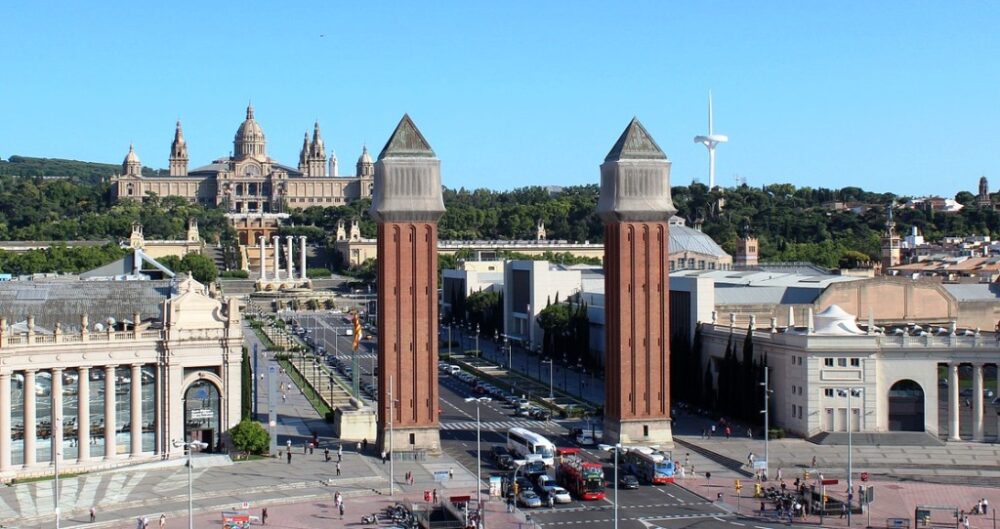
The district of Sants is one of Barcelona’s most authentic and dynamic areas, valued for its local character, neighborhood feel and excellent connections across the city. Made up of neighborhoods with a strong identity, Sants blends tradition and modernity through wide avenues, busy shopping streets and a full range of schools, services and sports facilities.
It stands out for everyday life: local shops, traditional markets and an active cultural and community scene. Its strategic location, with Sants Estació as a major transport hub, makes travel within Barcelona and nationally or internationally simple. Green space, pedestrian zones and varied housing—from classic buildings to newer developments—make Sants attractive for families, professionals and investors seeking quality of life, solid yields and steady residential demand.
Leer más